TL;DR
On January 1, 2026, I launched a tool site as an SEO learning project. Six months later: 52 tools, 480+ pages, 6 languages, $2–$5/day AdSense revenue, $27 in BuyMeACoffee donations, a few RMB from WeChat, and one rejection from Google followed by approval 24 hours after resubmission. The only cost so far: the domain. This isn't a success story—it's a record of what happens when you actually finish something and keep adjusting.
Background — Why I Built It
I didn't build this site to make money on day one. I built it to learn—to run through the entire SEO lifecycle from start to finish: domain registration, site setup, content creation, link building, search console integration, and eventually ad monetization. I wanted to know how each piece worked, not just read about it.
I picked iLoveIMG as my reference. It's one of the most established players in the tool space—clean UX, massive traffic, clear value prop. Copying a proven model wasn't about lacking creativity; it was about removing variables. If the market already validated the demand, my job was execution, not market validation.
Tech choice: Nuxt static site + Cloudflare (Pages + R2). Zero infrastructure cost, only the domain.
Why this stack over a VPS? Because I'm not full-time. Every minute I spend managing servers is a minute I'm not working on the product. Static sites don't need半夜运维, don't crash under traffic spikes, and don't require database backups. Cloudflare's free tier handles everything a small tool site needs.
The principle: choose the stack that costs the least non-product time, not the one that's "best."
The Beginning — "AI Garbage"
I used AI to generate content. A lot of it. I was honest with myself—I was lazy and wanted to see if AI could carry the content side.
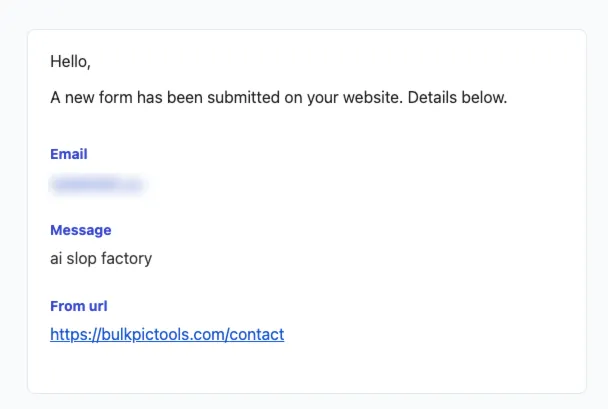
Then I got this email:
Replace with your actual screenshot — alt text: "Email from a user calling the site AI-generated garbage"
The subject line wasn't polite. The content wasn't either. Someone took the time to write and tell me my site was AI-generated garbage.
My first reaction was defensive. Then I asked myself: is he wrong?
I went back and looked at my own pages: templated structure, repetitive phrasing, no screenshots, no real usage notes, no "I used this and here's what happened" details. AI can draft structure, but it can't add specificity —the stuff that comes from actually using the tool and noticing where users get stuck.
That email changed how I approached content. From then on, every page got:
- Real screenshots from actual usage
- A "things I ran into" section
- Specific use-case descriptions (not generic "this tool is useful")
AI is a drafting tool. Content value comes from what you add on top of it.
SEO as the Real Work
By March, I had traffic. Not much—but enough to know Google was paying attention.
I don't have a magical SEO formula. What I learned was simple: if you make pages that actually help someone complete a task, search engines eventually notice. I focused on:
- Keyword research (what are people actually typing?)
- Internal linking structure
- Page-level content depth
- A few external backlinks (I reached out to relevant directories)
What clicked for me was reframing SEO: it's not about tricking Google. It's about making your content so useful that Google wants to show it.
The Workflow Upgrade — Bulk Image Toolchain
The turning point was building a complete image processing workflow: local compression, conversion, cropping, and resizing—all in one place. Instead of having a collection of disconnected tools, users could move through a logical flow: upload → process → download.
This changed the site from a random set of pages into a coherent user path. People weren't just visiting one tool page and leaving; they started moving between tools.
AdSense Rejection — And How I Found the Root Cause
In May, I applied for AdSense. It came back as "low-value content."
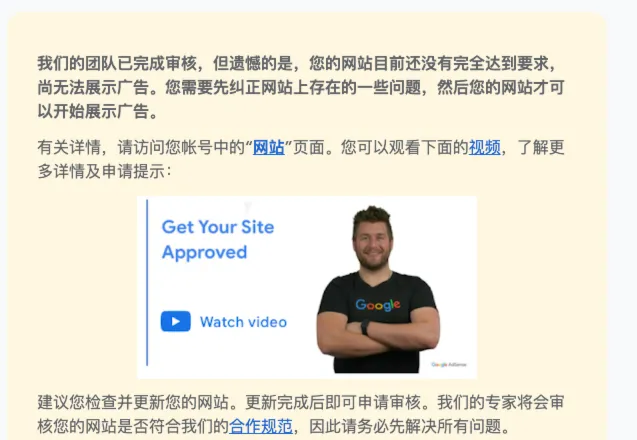
Replace with your actual screenshot — alt text: "AdSense low-value content rejection email"
I didn't panic. I started investigating:
- I read through forums for similar rejection reasons. Most advice said "add more words" — but that felt like cargo culting.
- I manually compared different language versions of the same tool page. English pages had full descriptions, screenshots, usage notes. Spanish and French versions (added recently) had only the title and a one-line description—empty.
That was it. The problem wasn't "too little content." The problem was inconsistent content quality across languages. I'd added multi-language support without actually translating the value—just the titles and structure. The new language pages were thin, and AdSense flagged the entire site as low-value.
I spent two weeks filling in every language version with real content. No automation, just manual editing and translation for each tool page.
One month later, I resubmitted. 24 hours later: approved.
Revenue — Small, but Real
After AdSense approval, the numbers started coming in:
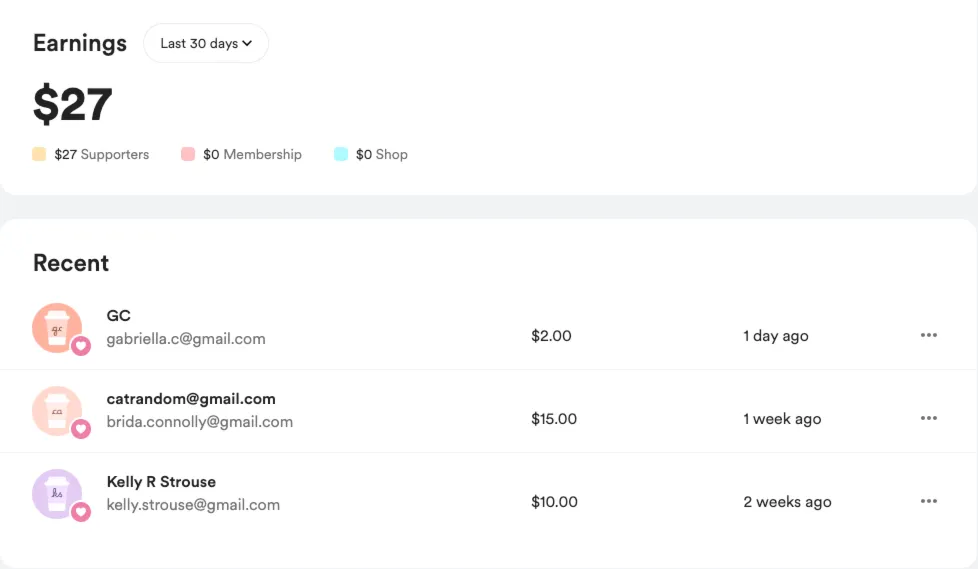
- BuyMeACoffee: $27 from an overseas user
- WeChat: a few RMB from domestic users
- AdSense: from $2/day to $5/day within the first two weeks (I later broke down what those RPM numbers actually mean in a separate analysis).
These amounts mean nothing to a full-time founder. But for a side project built in spare hours, they mean something different: validation. Someone found this useful enough to pay. Someone clicked an ad. Advertisers value the traffic. All three signals point in the same direction—the site is solving a real need, even if it's small.
The Morning of July 1
On June 27, Google Search Console reported 305 clicks. On June 30: 623 clicks. A 2x increase in three days.
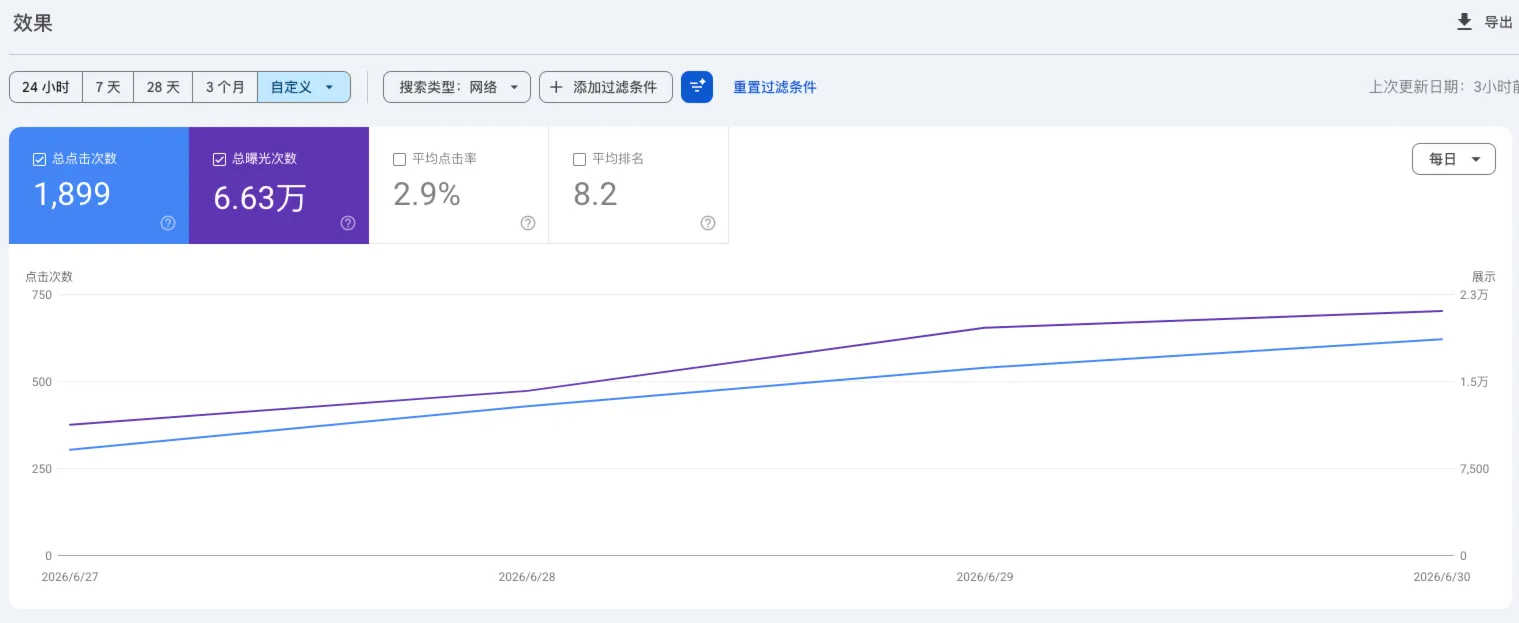
Replace with your actual screenshot — alt text: "Google Search Console clicks: 305 on June 27, 623 on June 30"
I woke up on July 1—exactly six months after launch—to that number. It's not a million. But it's a sign that the work is compounding. That was the moment I felt like maybe, just maybe, I'd built something that wasn't going to fade away.
My Take — What I Actually Learned
On tech selection: The best stack is the one that frees your brain. Nuxt + Cloudflare isn't the fastest or the most flexible—but it lets me forget about infrastructure. For someone with limited attention (and even more limited evening hours), that's the killer feature. Static sites mean no servers to patch, no database to migrate, no "why is this down at 2 AM." It's boring, and that's exactly what I need.
On copying: For an indie developer, the first priority isn't "innovation." It's finishing a complete cycle. Copying a proven market avoids the hardest part—validating demand—so you can focus on execution. Novelty is for after you know how to ship.
On AI and content: The email that called my site "AI garbage" was uncomfortable but necessary. AI-generated content isn't inherently bad—but it's not done. The value comes from what you personally add: screenshots, notes, edge cases, honest limitations. AI writes the first draft; you make it useful.
On side projects: It's slow. It's easy to doubt yourself. Some weeks I don't open the code. But that's also the upside—there's no urgency, no investors, no "must succeed" pressure. You can adjust direction quietly. You can afford to be wrong.
The core principle: Make the user feel like they gained something. On every page, ask: "What did the user get from this that they didn't have before?" If you can't answer, rewrite it until you can.
Lessons Learned
- AI is a starting point, not the output. Getting called out early saved me from building a bigger problem later.
- Multi-language is not a free win. Thin translations drag your whole site down. If you add languages, actually fill them.
- Users pay when they feel helped. $27 isn't a living—but it's proof that someone values what you built.
- Part-time projects are harder to sustain—but also easier to course-correct. You have time to reflect.
- The right stack doesn't add features; it subtracts distractions. If your tech keeps you from thinking about your product, switch.